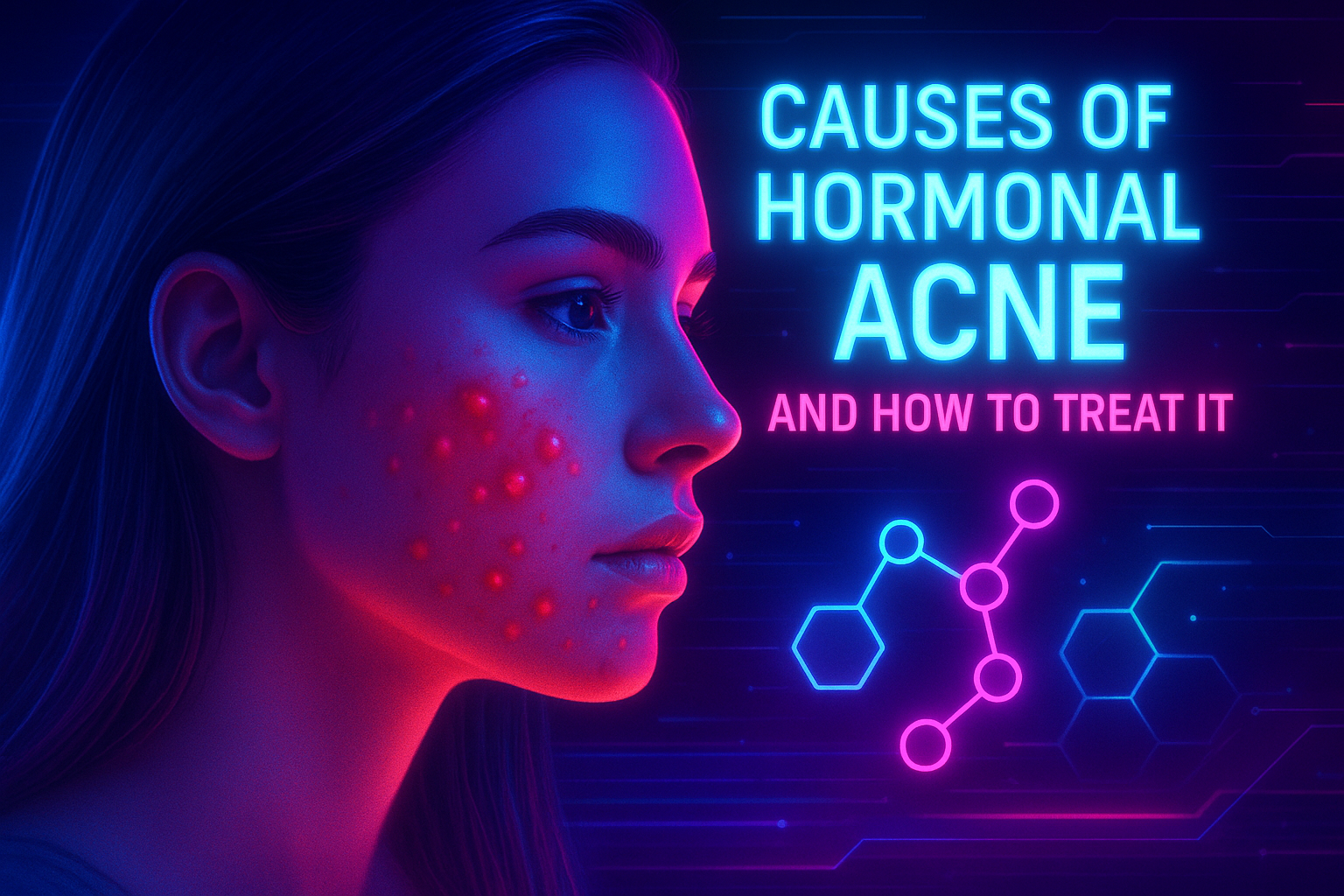
Hormonal acne is one of the most common—and most frustrating—skin concerns many people face. Whether you’re dealing with stubborn breakouts along your jawline, deep cystic pimples, or recurring flare-ups right before your period, hormonal acne can feel overwhelming. But understanding why it happens is the first step toward treating it effectively 💡✨.
🔬 What Causes Hormonal Acne?
Hormonal acne is primarily triggered by fluctuations in your body’s hormones—especially androgens like testosterone. These hormones stimulate your skin’s oil glands, causing them to produce excess sebum. When too much oil mixes with dead skin cells and bacteria, pores become clogged, leading to breakouts 😣.
Here are the most common causes:
1️⃣ Menstrual Cycle Fluctuations
It’s no secret that many people experience acne flare-ups a week or so before their period. This happens because of a drop in estrogen and a rise in progesterone and testosterone, which increases oil production 🩸.
2️⃣ Polycystic Ovary Syndrome (PCOS)
PCOS causes hormonal imbalances, often leading to increased androgen levels. This can trigger persistent acne, especially along the jawline and chin 🧬.
3️⃣ Stress-Induced Hormones
Stress causes your body to release cortisol, which can increase inflammation and trigger the sebaceous glands to produce more oil. The result? Stress breakouts 😩💥.
4️⃣ Pregnancy or Postpartum Changes
Hormone shifts during and after pregnancy can lead to breakout cycles—some people glow, others struggle with unexpected acne 🤰.
5️⃣ Certain Birth Control Methods
Some birth control pills regulate hormones and improve acne, while others may worsen it. Everyone reacts differently, so it’s essential to understand your body’s response 💊.
💆♀️ Effective Treatments for Hormonal Acne
The good news? Hormonal acne is treatable—with the right strategy. A combination of lifestyle adjustments, medical treatments, and skincare can make a huge difference 🔥.
✨ 1. Topical Treatments
These are your first line of defense and help unclog pores, reduce inflammation, and control bacteria.
- Retinoids (e.g., adapalene, tretinoin) boost cell turnover.
- Benzoyl Peroxide kills acne-causing bacteria.
- Salicylic Acid exfoliates inside the pores.
- Azelaic Acid helps with redness and pigmentation.
Use them consistently for best results 🌿.
✨ 2. Oral Medications
If topical treatments aren’t enough, your dermatologist may recommend prescription options:
- Birth Control Pills to stabilize hormone levels.
- Spironolactone to block androgen receptors.
- Oral Antibiotics for severe inflammatory acne.
- Isotretinoin for deep, cystic, or resistant acne.
Always use these under medical supervision 👩⚕️.
✨ 3. Lifestyle Adjustments
Simple changes can support your skin from the inside out:
- Reduce sugar and dairy intake 🍰🥛.
- Manage stress through exercise, meditation, or sleep 😌.
- Maintain a consistent skincare routine 🧴.
- Avoid heavy makeup and harsh scrubs.
✨ 4. Professional Treatments
Dermatologists offer highly effective in-clinic procedures:
- Chemical Peels to unclog pores and improve texture.
- LED Light Therapy to reduce inflammation.
- Microneedling for acne scars.
- Laser Therapy to target deeper layers of the skin.
These treatments work beautifully when combined with a proper skincare plan 🔥💎.
🌈 Final Thoughts
Hormonal acne can be persistent, but it is absolutely treatable with the right approach. Understanding your triggers and choosing a tailored treatment plan can help you achieve clearer, healthier, more radiant skin ✨. With consistency and the proper guidance, you can finally take control of your skin journey—and glow with confidence 🌟💖.