Dermatologist-approved guide to clearer, healthier skin
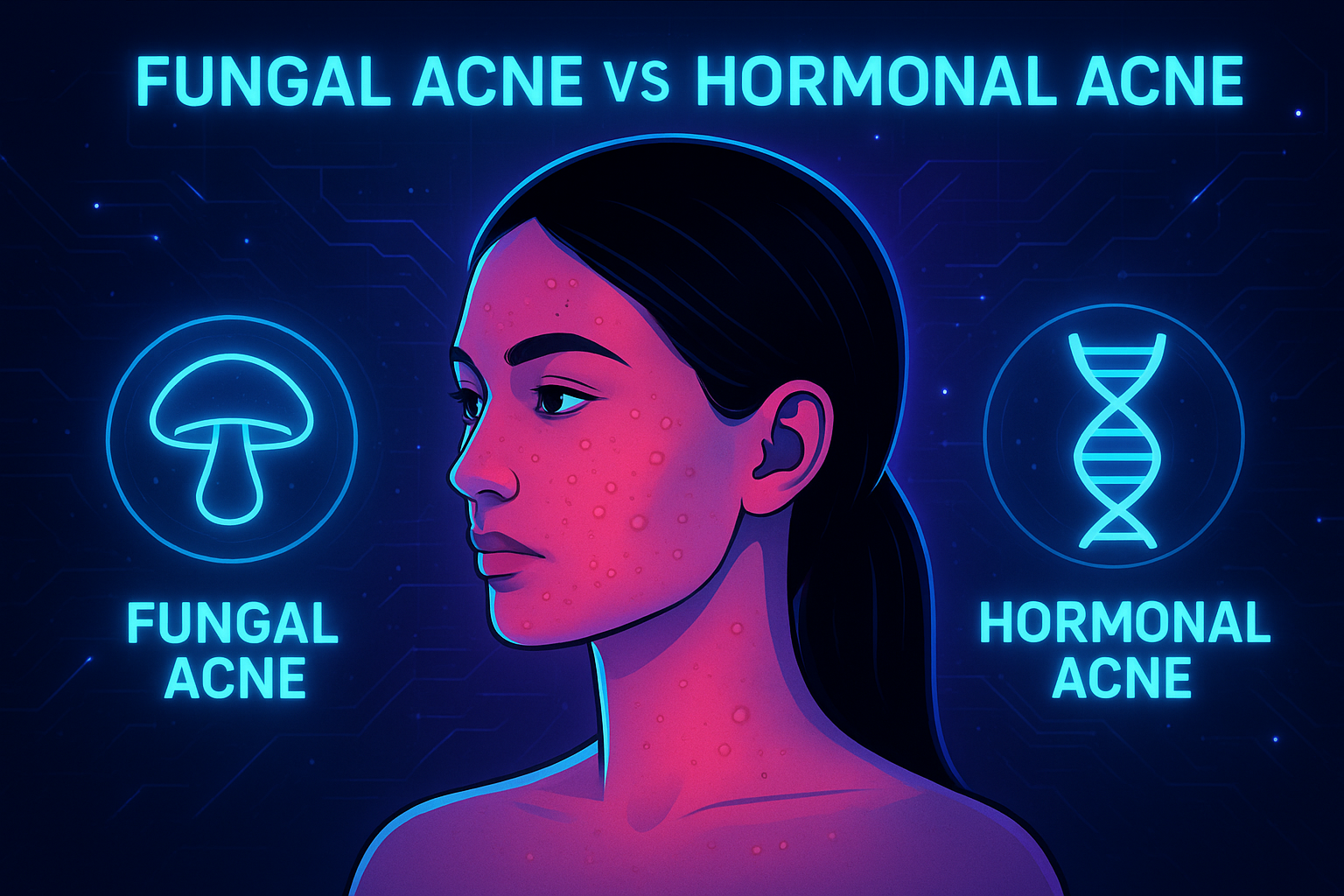
Acne is frustrating enough—but it’s even worse when you’re treating the wrong type. Many people struggle for months (or years) using acne products that don’t work, simply because they’re confusing fungal acne with hormonal acne. 😩
Although they may look similar at first glance, these two conditions have very different causes, triggers, and treatments. Understanding the difference can save your skin, your money, and your confidence. ✨
Let’s break it down.
What Is Fungal Acne? (Malassezia Folliculitis) 🍄
Despite the name, fungal acne is not true acne. It’s a skin condition caused by an overgrowth of Malassezia yeast, a fungus that naturally lives on the skin.
🔍 Key Characteristics of Fungal Acne
- Small, uniform bumps (all look the same)
- Often itchy or irritated
- Appears on the forehead, chest, back, shoulders, and upper arms
- Does not respond to traditional acne treatments
- Often worsens with heat, sweat, and humidity
📌 Common triggers include tight clothing, excessive sweating, oily skincare products, and prolonged antibiotic use.
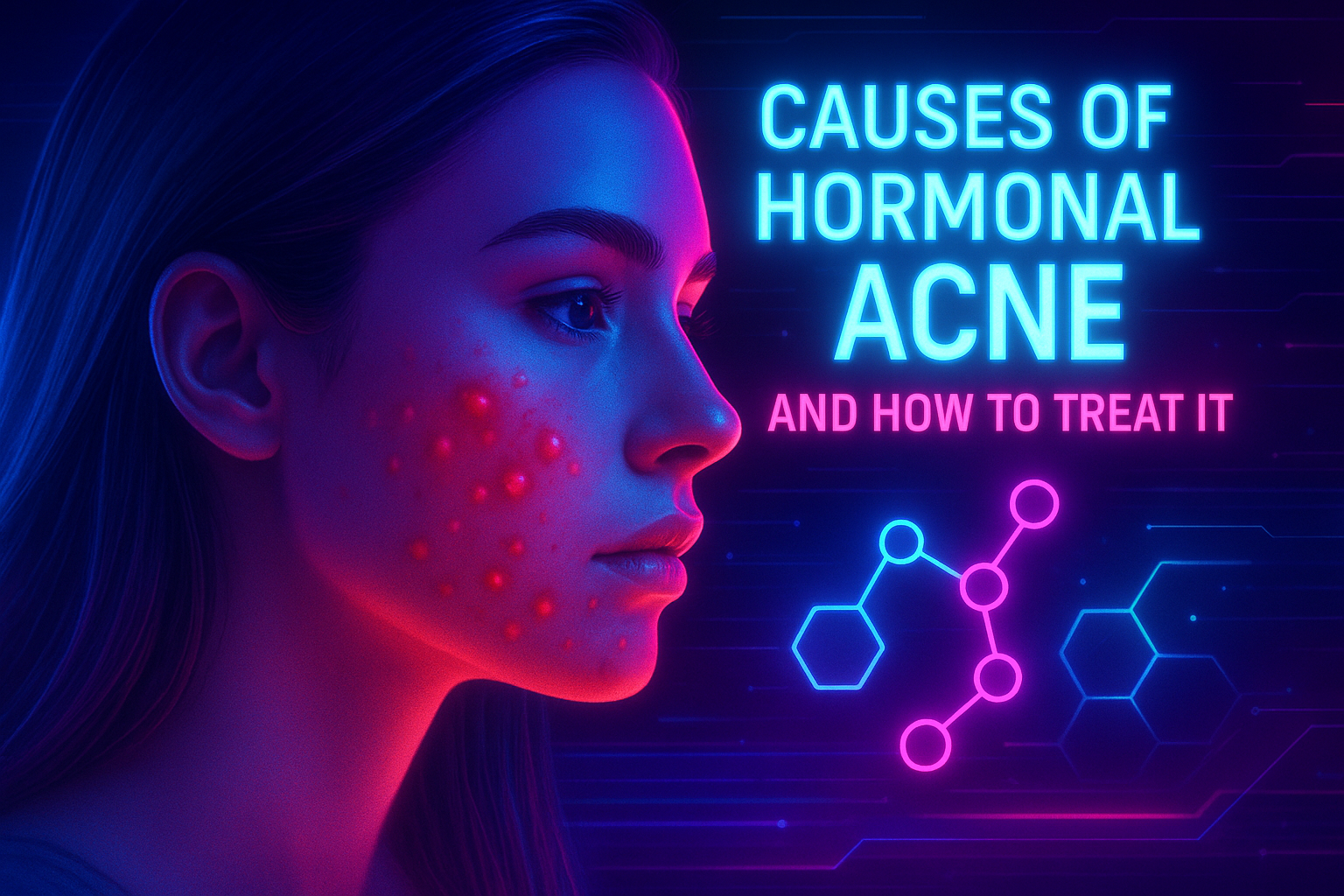
What Is Hormonal Acne? 🧬
Hormonal acne is caused by fluctuations in hormones, especially androgens, which increase oil (sebum) production and clog pores.
It’s very common in:
- Teenagers 👦👧
- Adult women 👩
- People with PCOS
- During menstrual cycles, pregnancy, or stress
🔍 Key Characteristics of Hormonal Acne
- Deep, painful cysts or nodules
- Appears mainly on the jawline, chin, cheeks, and neck
- Worsens before periods
- Lesions vary in size and shape
- Responds to hormonal or prescription acne treatments
Fungal Acne vs Hormonal Acne: Side-by-Side Comparison 📊
| Feature | Fungal Acne 🍄 | Hormonal Acne 🧬 |
|---|---|---|
| Cause | Yeast overgrowth | Hormonal imbalance |
| Appearance | Small, same-size bumps | Large, deep, varied pimples |
| Itchiness | Common | Rare |
| Location | Forehead, chest, back | Jawline, chin, neck |
| Timing | Worsens with sweat | Worsens around periods |
| Treatment | Antifungal products | Hormonal & acne therapy |
Why Acne Treatments Sometimes Fail 🚫🧴
One of the biggest skincare mistakes is using heavy oils, antibiotics, or benzoyl peroxide on fungal acne. These products can feed the yeast, making breakouts worse. 😬
On the other hand, antifungal treatments won’t fix hormonal acne because they don’t address oil production or hormone fluctuations.
👉 Correct diagnosis is everything.
How to Treat Fungal Acne Effectively 🍄✨
Dermatologist-recommended strategies include:
✅ Antifungal cleansers (ketoconazole, zinc pyrithione)
✅ Lightweight, fungal-acne–safe moisturizers
✅ Showering promptly after sweating
✅ Avoiding heavy oils and occlusive products
✅ Wearing breathable fabrics
⛔ Avoid thick creams, coconut oil, and oily sunscreens during treatment.
How to Treat Hormonal Acne Effectively 🧬✨
Hormonal acne often requires a medical approach, such as:
✅ Topical retinoids
✅ Salicylic acid or benzoyl peroxide
✅ Oral medications (when prescribed)
✅ Hormonal regulation therapies
✅ Consistent skincare routine
Lifestyle factors like stress management, sleep, and diet also play a supportive role 🧘♀️🥗
When Should You See a Dermatologist? 👩⚕️
If your acne:
- Keeps coming back
- Gets worse despite treatment
- Leaves dark marks or scars
- Causes pain, itching, or emotional distress
…it’s time for a professional skin evaluation. A dermatologist can accurately diagnose whether you’re dealing with fungal acne, hormonal acne, or both—and create a personalized treatment plan.
Final Thoughts 💡
Fungal acne and hormonal acne may look similar, but they are completely different skin conditions requiring different treatments. Treating the wrong one can delay healing and worsen breakouts.
✨ The right diagnosis leads to faster results, healthier skin, and long-term confidence.
At Pearl Aesthetics, we combine medical expertise with advanced skincare solutions to help you achieve clear, radiant skin—no guesswork involved. 💎🧴